தலைப்பு
விசை, அழுத்தம், ஆற்றல், வேலை, திறன்
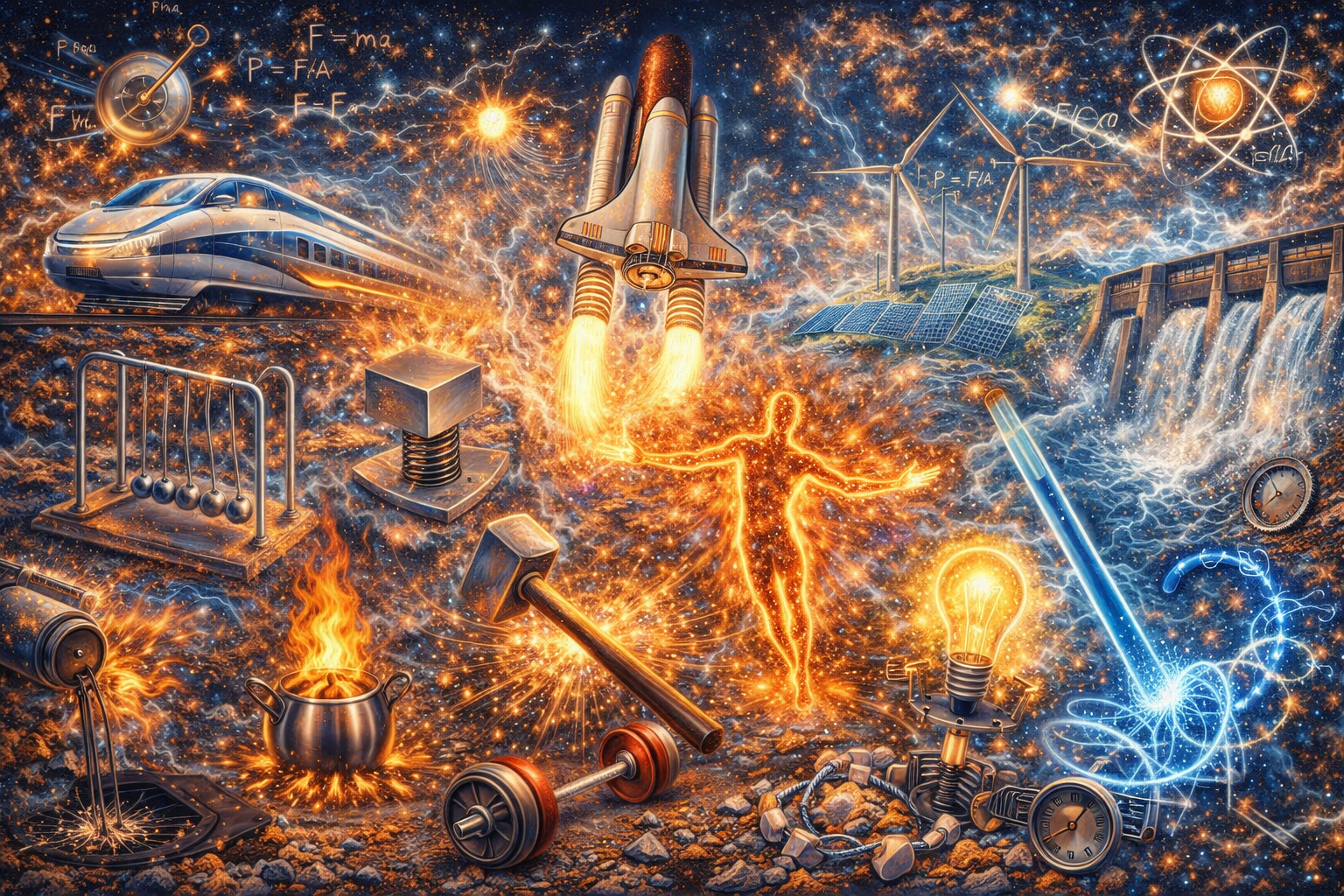
🧲 விசை (Force) – முழு விளக்கம்
விசை என்பது ஒரு பொருளின் நிலை அல்லது இயக்கத்தை மாற்றும் திறன் ஆகும். இது தள்ளுதல் (Push) அல்லது இழுத்தல் (Pull) என இருவிதமாக இருக்கும்.
📌 வரையறை
ஒரு பொருளின் அமைதி நிலை அல்லது இயக்க நிலையை மாற்றும் காரணம் விசை (Force) ஆகும்.
🧮 முக்கிய சூத்திரம்
Force (F) = Mass (m) × Acceleration (a)
- ✔ F = விசை (Newton)
- ✔ m = நிறை (kg)
- ✔ a = துரிதம் (m/s²)
💡 விசையின் வகைகள்
- ✔ தொடர்பு விசை (Contact Force)
- ✔ தொடர்பற்ற விசை (Non-contact Force)
👉 தொடர்பு விசை
- ✔ உராய்வு விசை (Friction)
- ✔ தள்ளுதல் / இழுத்தல் விசை
👉 தொடர்பற்ற விசை
- ✔ ஈர்ப்பு விசை (Gravitational Force)
- ✔ காந்த விசை (Magnetic Force)
- ✔ மின்விசை (Electrostatic Force)
📊 எடுத்துக்காட்டு
ஒரு பொருளின் நிறை = 2 kg, துரிதம் = 3 m/s²
F = m × a = 2 × 3 = 6 Newton
🔄 முக்கிய கருத்துகள்
- ✔ விசை இல்லாமல் இயக்கம் மாற்றமில்லை
- ✔ விசை அதிகமாக இருந்தால் துரிதம் அதிகரிக்கும்
- ✔ Newton விதிகள் விசையை விளக்குகின்றன
📏 முக்கிய குறிப்புகள்
- ✔ SI unit → Newton (N)
- ✔ F = m × a முக்கியம்
- ✔ Push / Pull = Force
📌 TNPSC முக்கிய குறிப்புகள்:
- ✔ Force = m × a
- ✔ Unit → Newton
- ✔ Contact & Non-contact force
🌊 அழுத்தம் (Pressure) – முழு விளக்கம்
அழுத்தம் என்பது ஒரு பரப்பின் மீது செயல்படும் விசையின் அளவு ஆகும். இது பரப்பளவிற்கு ஏற்ப மாறும்.
📌 வரையறை
ஒரு பரப்பின் மீது செயல்படும் விசை, அந்த பரப்பளவால் பகுக்கப்பட்ட அளவு அழுத்தம் (Pressure) ஆகும்.
🧮 முக்கிய சூத்திரம்
Pressure (P) = Force (F) / Area (A)
- ✔ P = அழுத்தம்
- ✔ F = விசை (Newton)
- ✔ A = பரப்பளவு (m²)
💡 SI அலகு
- ✔ Pascal (Pa)
- ✔ 1 Pascal = 1 N/m²
📊 எடுத்துக்காட்டு
விசை = 10 N, பரப்பளவு = 2 m²
P = 10 / 2 = 5 Pascal
🔄 முக்கிய கருத்துகள்
- ✔ பரப்பளவு குறைந்தால் → அழுத்தம் அதிகம்
- ✔ பரப்பளவு அதிகமானால் → அழுத்தம் குறையும்
- ✔ ஒரே விசை different area-ல் different pressure தரும்
🌍 அழுத்தத்தின் வகைகள்
- ✔ வளிமண்டல அழுத்தம் (Atmospheric Pressure)
- ✔ திரவ அழுத்தம் (Liquid Pressure)
- ✔ வாயு அழுத்தம் (Gas Pressure)
📏 முக்கிய குறிப்புகள்
- ✔ P = F / A
- ✔ Unit → Pascal
- ✔ Area குறைந்தால் pressure அதிகம்
📌 TNPSC முக்கிய குறிப்புகள்:
- ✔ Pressure = Force / Area
- ✔ Unit → Pascal (Pa)
- ✔ High pressure → small area
⚡ ஆற்றல் (Energy) – முழு விளக்கம்
ஆற்றல் என்பது ஒரு பொருள் வேலை செய்யும் திறன் ஆகும். எந்த ஒரு செயலும் நடைபெற ஆற்றல் அவசியம்.
📌 வரையறை
ஒரு பொருள் வேலை செய்யும் திறன் ஆற்றல் (Energy) எனப்படும்.
🧮 முக்கிய சூத்திரம்
1️⃣ இயக்க ஆற்றல் (Kinetic Energy)
KE = 1/2 × m × v²
2️⃣ நிலை ஆற்றல் (Potential Energy)
PE = m × g × h
- ✔ m = நிறை (kg)
- ✔ v = வேகம் (m/s)
- ✔ g = ஈர்ப்பு விசை (9.8 m/s²)
- ✔ h = உயரம் (m)
💡 ஆற்றலின் வகைகள்
- ✔ இயக்க ஆற்றல் (Kinetic Energy)
- ✔ நிலை ஆற்றல் (Potential Energy)
- ✔ வெப்ப ஆற்றல் (Heat Energy)
- ✔ மின்சார ஆற்றல் (Electrical Energy)
- ✔ ஒளி ஆற்றல் (Light Energy)
📊 எடுத்துக்காட்டு
m = 2 kg, v = 4 m/s
KE = 1/2 × 2 × 4² = 1 × 16 = 16 Joule
🔄 முக்கிய கருத்துகள்
- ✔ ஆற்றல் உருவாக்க முடியாது, அழிக்க முடியாது
- ✔ ஒரு வடிவிலிருந்து மற்றொரு வடிவிற்கு மாறும்
- ✔ Energy conservation law முக்கியம்
📏 SI அலகு
- ✔ Joule (J)
📌 TNPSC முக்கிய குறிப்புகள்:
- ✔ KE = 1/2 mv²
- ✔ PE = mgh
- ✔ Unit → Joule
- ✔ Energy conservation law
💼 வேலை (Work) – முழு விளக்கம்
வேலை என்பது ஒரு பொருளின் மீது விசை செயல்பட்டு, அது இடமாற்றம் அடைந்தால் செய்யப்படும் செயல் ஆகும்.
📌 வரையறை
ஒரு பொருளின் மீது விசை செயல்பட்டு, அது ஒரு தூரம் நகர்ந்தால் வேலை (Work) நடைபெற்றதாக கூறப்படுகிறது.
🧮 முக்கிய சூத்திரம்
Work (W) = Force (F) × Distance (d)
- ✔ W = வேலை
- ✔ F = விசை (Newton)
- ✔ d = தூரம் (meter)
💡 SI அலகு
- ✔ Joule (J)
- ✔ 1 Joule = 1 N × 1 m
📊 எடுத்துக்காட்டு
விசை = 10 N, தூரம் = 5 m
W = 10 × 5 = 50 Joule
🔄 வேலை வகைகள்
- ✔ நேர்ம வேலை (Positive Work)
- ✔ எதிர்ம வேலை (Negative Work)
- ✔ பூஜ்ய வேலை (Zero Work)
👉 Positive Work
விசை மற்றும் இடமாற்றம் ஒரே திசையில் இருந்தால்
👉 Negative Work
விசை மற்றும் இடமாற்றம் எதிர் திசையில் இருந்தால்
👉 Zero Work
இடமாற்றம் இல்லையெனில் (d = 0)
📏 முக்கிய குறிப்புகள்
- ✔ Work = Force × Distance
- ✔ Unit → Joule
- ✔ Force இல்லாமல் வேலை இல்லை
📌 TNPSC முக்கிய குறிப்புகள்:
- ✔ W = F × d
- ✔ Unit → Joule
- ✔ Positive / Negative / Zero work
⚡ திறன் (Power) – முழு விளக்கம்
திறன் என்பது ஒரு வேலை எவ்வளவு வேகமாக செய்யப்படுகிறது என்பதைக் குறிக்கும். அதாவது ஒரு unit நேரத்தில் செய்யப்படும் வேலை அளவு.
📌 வரையறை
ஒரு பொருள் ஒரு unit நேரத்தில் செய்யும் வேலை அளவு திறன் (Power) எனப்படும்.
🧮 முக்கிய சூத்திரம்
Power (P) = Work (W) / Time (t)
- ✔ P = திறன்
- ✔ W = வேலை (Joule)
- ✔ t = நேரம் (second)
💡 மாற்று சூத்திரம்
P = Force × Velocity
📏 SI அலகு
- ✔ Watt (W)
- ✔ 1 Watt = 1 Joule / second
📊 எடுத்துக்காட்டு
வேலை = 100 Joule, நேரம் = 10 second
P = 100 / 10 = 10 Watt
🔄 முக்கிய கருத்துகள்
- ✔ அதிக வேகத்தில் வேலை செய்தால் திறன் அதிகம்
- ✔ குறைந்த நேரத்தில் வேலை செய்தால் திறன் அதிகரிக்கும்
- ✔ Power என்பது வேலை செய்யும் வேகத்தை காட்டும்
⚙️ பிற அலகுகள்
- ✔ Horsepower (HP)
- ✔ 1 HP = 746 Watt
📌 முக்கிய குறிப்புகள்
- ✔ P = W / t
- ✔ Unit → Watt
- ✔ வேகம் அதிகம் → Power அதிகம்
📌 TNPSC முக்கிய குறிப்புகள்:
- ✔ Power = Work / Time
- ✔ Unit → Watt
- ✔ 1 HP = 746 W
மக்கள் கேட்கும் கேள்விகள்
உங்களுக்கான முக்கிய பதில்கள்
ஒரு பொருளின் நிலை அல்லது இயக்கத்தை மாற்றும் காரணம்.
நியூட்டன் (Newton)
ஒரு பரப்பில் செயல்படும் விசை.
Pressure = Force / Area
Pressure = Force / Area
பாஸ்கல் (Pascal)
வேலை செய்யும் திறன்.
இயக்கத்தில் இருக்கும் பொருளின் ஆற்றல்.
ஒரு பொருளின் நிலை காரணமாக உள்ள ஆற்றல்.
விசை செலுத்தி பொருளை நகர்த்துவது.
Work = Force × Distance
Work = Force × Distance
வேலை செய்யும் வீதி (rate).
Power = Work / Time
Power = Work / Time
வாட் (Watt)