தலைப்பு
பேரண்டம்
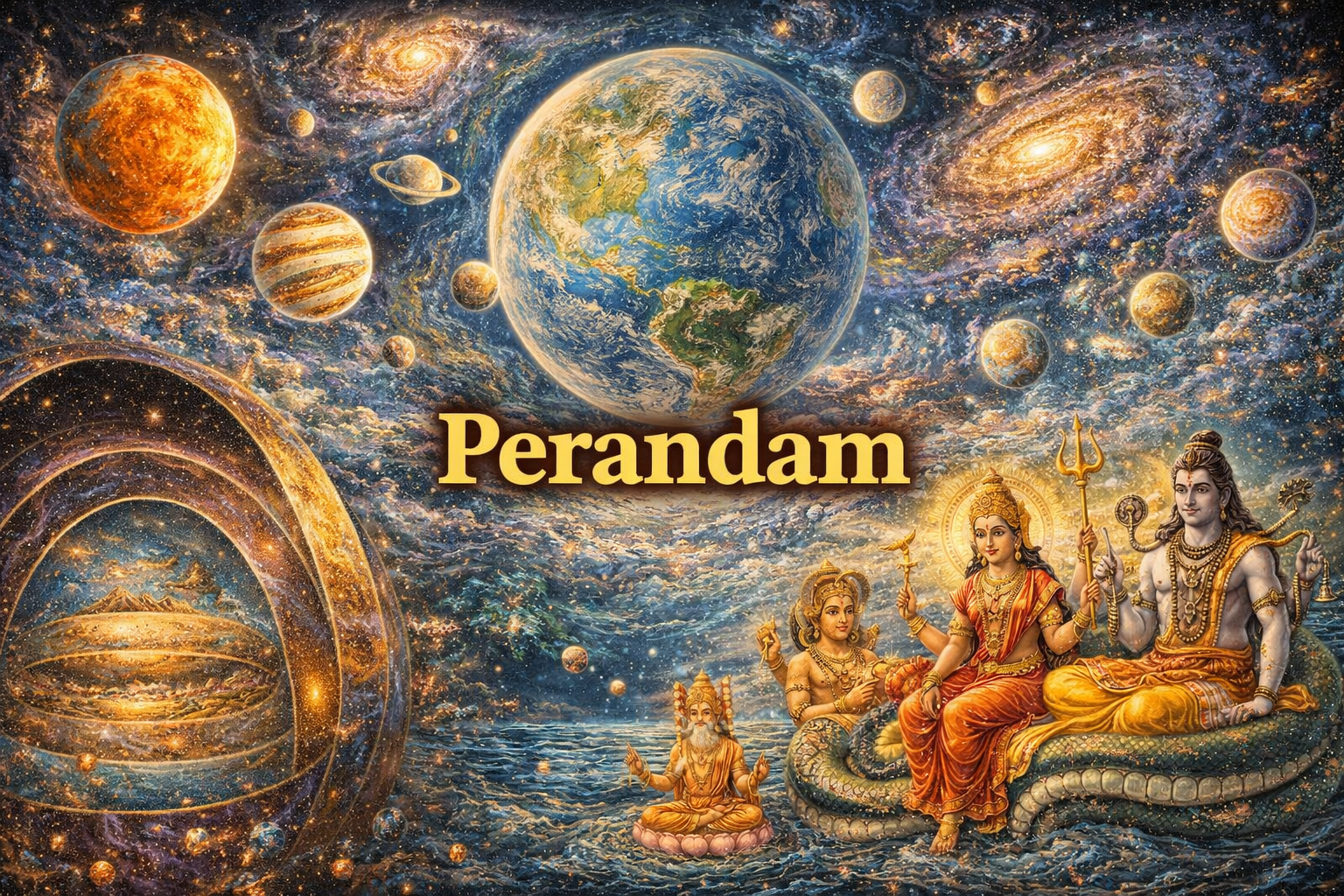
🌌 பேரண்டம் (Perandam / Universe) – அறிமுகம்
பேரண்டம் (Universe) என்பது அனைத்து விண்மீன்கள், கோள்கள், நட்சத்திரங்கள், அண்டங்கள் மற்றும் காலம்-விண்வெளி ஆகியவற்றைக் கொண்ட மிகப் பெரிய அமைப்பாகும். இது எல்லையற்றதாகவும் தொடர்ந்து விரிவடைந்து கொண்டிருப்பதாகவும் கருதப்படுகிறது.
TNPSC மற்றும் பிற போட்டித் தேர்வுகளில் “பேரண்டம்” தொடர்பான கேள்விகள் பொதுவாக அறிவியல் (General Science) பகுதியில் கேட்கப்படுகின்றன. Big Bang theory, galaxy, solar system போன்ற அடிப்படை கருத்துகள் முக்கியமானவை.
விஞ்ஞானிகளின் கருத்துப்படி, பேரண்டம் சுமார் 13.8 பில்லியன் ஆண்டுகளுக்கு முன் “பிக் பேங்” (Big Bang) எனப்படும் பெரிய வெடிப்பின் மூலம் உருவானது. அதன் பிறகு தொடர்ந்து விரிவடைந்து கொண்டிருக்கிறது.
பேரண்டத்தில் பில்லியன் கணக்கான அண்டங்கள் (Galaxies) உள்ளன. அவற்றில் ஒவ்வொரு அண்டத்திலும் கோடிக்கணக்கான நட்சத்திரங்களும், அவற்றைச் சுற்றும் கோள்களும் உள்ளன.
முக்கிய குறிப்புகள் (TNPSC):
- ✔ பேரண்டம் = Universe
- ✔ தோற்றம்: Big Bang Theory
- ✔ வயது: சுமார் 13.8 பில்லியன் ஆண்டுகள்
- ✔ அமைப்பு: Galaxy, Stars, Planets
- ✔ தன்மை: தொடர்ந்து விரிவடைந்து கொண்டிருக்கிறது
TNPSC தேர்வுகளில் “பிக் பேங் என்ன?”, “பேரண்டத்தின் வயது?”, “அண்டம் (Galaxy) என்றால் என்ன?” போன்ற கேள்விகள் இந்தத் தலைப்பிலிருந்து அடிக்கடி கேட்கப்படுகின்றன.
ஆகையால், பேரண்டம் அறிவியல் பாடத்தில் அடிப்படை மற்றும் முக்கியமான தலைப்பாகும்.
💥 பிக் பேங் கோட்பாடு (Big Bang Theory) – அறிமுகம்
பிக் பேங் கோட்பாடு என்பது பேரண்டம் (Universe) உருவான விதத்தை விளக்கும் முக்கியமான விஞ்ஞானக் கோட்பாடாகும். இதன்படி, பேரண்டம் சுமார் 13.8 பில்லியன் ஆண்டுகளுக்கு முன் மிகச் சிறிய மற்றும் மிக அதிக அடர்த்தி கொண்ட நிலையில் இருந்து ஒரு பெரிய வெடிப்பின் மூலம் உருவானது.
அந்த வெடிப்பிற்குப் பிறகு, விண்வெளி மற்றும் பொருள்கள் (matter) எல்லாம் உருவாகி தொடர்ந்து விரிவடைந்து கொண்டிருக்கின்றன. இன்றும் பேரண்டம் விரிவடைந்து கொண்டிருப்பதை விஞ்ஞானிகள் கண்டறிந்துள்ளனர்.
இந்தக் கோட்பாட்டை ஆதரிக்கும் முக்கிய ஆதாரங்களில் ஒன்றாக “Red Shift” (சிவப்பு இடம்பெயர்ச்சி) காணப்படுகிறது. இது அண்டங்கள் ஒன்றிலிருந்து ஒன்று விலகிச் செல்கின்றன என்பதை காட்டுகிறது.
மேலும், “Cosmic Microwave Background Radiation” (CMB) எனப்படும் பின்னணி கதிர்வீச்சும் பிக் பேங் கோட்பாட்டிற்கான முக்கிய ஆதாரமாகும்.
முக்கிய குறிப்புகள் (TNPSC):
- ✔ கோட்பாடு: பிக் பேங் (Big Bang)
- ✔ பேரண்டம் உருவானது: சுமார் 13.8 பில்லியன் ஆண்டுகள் முன்
- ✔ தன்மை: தொடர்ந்து விரிவடைந்து கொண்டிருக்கிறது
- ✔ ஆதாரம்: Red Shift
- ✔ ஆதாரம்: Cosmic Microwave Background (CMB)
TNPSC தேர்வுகளில் “பிக் பேங் என்ன?”, “எப்போது நடந்தது?”, “எந்த ஆதாரங்கள் உள்ளன?” போன்ற கேள்விகள் இந்தத் தலைப்பிலிருந்து அடிக்கடி கேட்கப்படுகின்றன.
ஆகையால், பிக் பேங் கோட்பாடு பேரண்டம் பற்றிய அறிவியல் பாடத்தில் மிக முக்கியமான அடிப்படை தலைப்பாகும்.
🌌 விண்மீன் திரள்கள் & வகைகள் (Galaxies & Types) – அறிமுகம்
விண்மீன் திரள்கள் (Galaxies) என்பது கோடிக்கணக்கான நட்சத்திரங்கள், கோள்கள், தூசி மற்றும் வாயுக்கள் ஆகியவற்றால் உருவான பெரிய விண்வெளி அமைப்புகளாகும். நமது சூரியக் குடும்பம் “பால் வழி அண்டம்” (Milky Way Galaxy) என்ற விண்மீன் திரளில் அமைந்துள்ளது.
பேரண்டத்தில் பில்லியன் கணக்கான விண்மீன் திரள்கள் உள்ளன. ஒவ்வொரு திரளும் தனித்துவமான வடிவம் மற்றும் அமைப்பைக் கொண்டுள்ளது.
விண்மீன் திரள்கள் முக்கியமாக மூன்று வகைகளாகப் பிரிக்கப்படுகின்றன:
- 1. சுழல் அண்டம் (Spiral Galaxy): சுழல் வடிவில் அமைந்துள்ளது. உதாரணம்: பால் வழி (Milky Way).
- 2. எலிப்டிக்கல் அண்டம் (Elliptical Galaxy): உருண்டை அல்லது நீள்வட்ட வடிவம் கொண்டது.
- 3. ஒழுங்கற்ற அண்டம் (Irregular Galaxy): குறிப்பிட்ட வடிவம் இல்லாதது.
சில விண்மீன் திரள்களில் மையத்தில் மிகப்பெரிய கருந்துளை (Black Hole) இருக்கும். இது சுற்றியுள்ள பொருள்களை தன் ஈர்ப்பால் இழுத்துக் கொள்கிறது.
முக்கிய குறிப்புகள் (TNPSC):
- ✔ விண்மீன் திரள் = Galaxy
- ✔ நமது அண்டம்: பால் வழி (Milky Way)
- ✔ வகைகள்: Spiral, Elliptical, Irregular
- ✔ அமைப்பு: Stars, Planets, Gas, Dust
- ✔ மையம்: Black Hole (சில அண்டங்களில்)
TNPSC தேர்வுகளில் “Galaxy என்றால் என்ன?”, “எத்தனை வகைகள்?”, “Milky Way என்ன?” போன்ற கேள்விகள் இந்தத் தலைப்பிலிருந்து அடிக்கடி கேட்கப்படுகின்றன.
ஆகையால், விண்மீன் திரள்கள் மற்றும் அவற்றின் வகைகள் பேரண்ட அறிவியலில் முக்கியமான அடிப்படை தலைப்பாகும்.
🌌 பால் வழி (Milky Way Galaxy) – அறிமுகம்
பால் வழி (Milky Way) என்பது நமது சூரியக் குடும்பம் அமைந்துள்ள விண்மீன் திரளாகும். இது கோடிக்கணக்கான நட்சத்திரங்கள், கோள்கள், தூசி மற்றும் வாயுக்களால் ஆன மிகப்பெரிய அண்டமாகும்.
இரவு வானில் பால் போன்ற வெண்மையான பாதையாக காணப்படுவதால் இதற்கு “பால் வழி” என்று பெயர் வந்தது. இது ஒரு சுழல் அண்டம் (Spiral Galaxy) ஆகும்.
பால் வழி அண்டத்தில் சுமார் 100 முதல் 400 பில்லியன் நட்சத்திரங்கள் உள்ளன என்று விஞ்ஞானிகள் கருதுகின்றனர். நமது சூரியன் அவற்றில் ஒன்றாகும்.
இந்த அண்டத்தின் மையத்தில் மிகப்பெரிய கருந்துளை (Black Hole) உள்ளது. அதற்கு “Sagittarius A*” என்று பெயர்.
நமது சூரியக் குடும்பம் பால் வழி அண்டத்தின் ஒரு பகுதியான ஓரத்தில் அமைந்துள்ளது. இது அண்ட மையத்தைச் சுற்றி சுழல்கிறது.
முக்கிய குறிப்புகள் (TNPSC):
- ✔ பால் வழி = Milky Way Galaxy
- ✔ வகை: சுழல் அண்டம் (Spiral)
- ✔ நட்சத்திரங்கள்: 100–400 பில்லியன்
- ✔ மையம்: Sagittarius A* (Black Hole)
- ✔ சூரியக் குடும்பம்: இதில் அமைந்துள்ளது
TNPSC தேர்வுகளில் “பால் வழி என்ன?”, “எந்த வகை அண்டம்?”, “சூரியக் குடும்பம் எங்கு உள்ளது?” போன்ற கேள்விகள் இந்தத் தலைப்பிலிருந்து அடிக்கடி கேட்கப்படுகின்றன.
ஆகையால், பால் வழி அண்டம் பேரண்ட அறிவியலில் மிகவும் முக்கியமான அடிப்படை தலைப்பாகும்.
☀️ சூரியக் குடும்பம் & கோள்கள் (Solar System & Planets) – முழு விளக்கம்
சூரியக் குடும்பம் (Solar System) என்பது சூரியனை மையமாகக் கொண்டு அதைச் சுற்றி சுழலும் கோள்கள், துணைக்கோள்கள் (moons), ஆஸ்டராய்டுகள், தூண்வெள்ளிகள் (comets) மற்றும் தூசி, வாயுக்கள் ஆகியவற்றின் தொகுப்பாகும்.
சூரியன் இந்த அமைப்பின் மையமாக உள்ளது. அதன் ஈர்ப்பு விசை காரணமாக அனைத்து கோள்களும் அதைச் சுற்றி சுழல்கின்றன.
🌍 சூரியக் குடும்பத்தின் அமைப்பு
- ✔ சூரியன் (Sun)
- ✔ 8 கோள்கள் (Planets)
- ✔ துணைக்கோள்கள் (Moons)
- ✔ ஆஸ்டராய்டுகள் (Asteroids)
- ✔ தூண்வெள்ளிகள் (Comets)
🪐 8 கோள்கள் (Planets) – வரிசை
சூரியனிலிருந்து தூர வரிசையில் கோள்கள்: புதன், வெள்ளி, பூமி, செவ்வாய், குரு, சனி, யுரேனஸ், நெப்ட்யூன்.
🔍 கோள்களின் வகைகள்
- 1. உள் கோள்கள் (Inner Planets): புதன், வெள்ளி, பூமி, செவ்வாய்
- 2. வெளி கோள்கள் (Outer Planets): குரு, சனி, யுரேனஸ், நெப்ட்யூன்
📊 கோள்கள் – முக்கிய விவரங்கள்
| கோள் | சிறப்பு |
|---|---|
| புதன் (Mercury) | சூரியனுக்கு மிக அருகிலான கோள் |
| வெள்ளி (Venus) | அதிக வெப்பமான கோள் |
| பூமி (Earth) | உயிர்கள் வாழும் ஒரே கோள் |
| செவ்வாய் (Mars) | சிவப்பு கோள் |
| குரு (Jupiter) | மிகப் பெரிய கோள் |
| சனி (Saturn) | வளையங்கள் (rings) கொண்டது |
| யுரேனஸ் (Uranus) | சாய்ந்து சுழலும் கோள் |
| நெப்ட்யூன் (Neptune) | மிகத் தொலைவில் உள்ள கோள் |
💡 முக்கிய குறிப்புகள் (TNPSC)
- ✔ மையம்: சூரியன்
- ✔ கோள்கள்: 8
- ✔ மிகப் பெரிய கோள்: குரு
- ✔ உயிர் உள்ள கோள்: பூமி
- ✔ வளையம் கொண்ட கோள்: சனி
TNPSC தேர்வுகளில் “எத்தனை கோள்கள்?”, “மிகப் பெரிய கோள்?”, “வளையம் கொண்ட கோள்?” போன்ற கேள்விகள் இந்தத் தலைப்பிலிருந்து அடிக்கடி கேட்கப்படுகின்றன.
ஆகையால், சூரியக் குடும்பம் மற்றும் கோள்கள் அறிவியல் பாடத்தில் மிகவும் முக்கியமான அடிப்படை தலைப்பாகும்.
☀️ சூரியன் (Sun) – முழு விளக்கம்
சூரியன் என்பது நமது சூரியக் குடும்பத்தின் மையத்தில் உள்ள மிகப்பெரிய நட்சத்திரமாகும். இது மிகுந்த வெப்பமும் ஒளியும் கொண்ட வாயுக்களால் ஆன ஒரு தீப்பந்து போன்றது.
சூரியன் முக்கியமாக ஹைட்ரஜன் (Hydrogen) மற்றும் ஹீலியம் (Helium) வாயுக்களால் உருவாகியுள்ளது. இதில் நடைபெறும் அணுவிலக்கணம் (Nuclear Fusion) காரணமாக அதிக அளவு ஆற்றல் வெளிவருகிறது.
🔥 சூரியனின் அமைப்பு
- 1. மையம் (Core): அணுவிலக்கணம் நடைபெறும் பகுதி
- 2. கதிர்வீச்சு பகுதி (Radiative Zone)
- 3. ஒழுக்கு பகுதி (Convective Zone)
- 4. ஒளிமண்டலம் (Photosphere): நாம் காணும் பகுதி
- 5. குரோமோஸ்பியர் (Chromosphere)
- 6. கொரோனா (Corona): வெளிப்புற பகுதி
🌡️ முக்கிய அம்சங்கள்
- ✔ வெப்பநிலை (மையம்): சுமார் 15 மில்லியன் °C
- ✔ மேற்பரப்பு வெப்பநிலை: சுமார் 5500 °C
- ✔ ஒளி பூமிக்கு வர நேரம்: ~8 நிமிடங்கள்
- ✔ ஈர்ப்பு விசை: அனைத்து கோள்களையும் கட்டுப்படுத்துகிறது
⚡ அணுவிலக்கணம் (Nuclear Fusion)
சூரியனின் மையத்தில் ஹைட்ரஜன் அணுக்கள் இணைந்து ஹீலியமாக மாறும் செயலே அணுவிலக்கணம் ஆகும். இதனால் மிகுந்த வெப்பமும் ஒளியும் உருவாகின்றன.
🌞 சூரியனின் முக்கியத்துவம்
- ✔ பூமியில் உயிர்கள் வாழ உதவும்
- ✔ ஒளி மற்றும் வெப்பத்தின் மூலமாகும்
- ✔ காலநிலையை (Climate) கட்டுப்படுத்துகிறது
- ✔ தாவரங்களில் ஒளிச்சேர்க்கை (Photosynthesis) நடைபெற உதவும்
முக்கிய குறிப்புகள் (TNPSC):
- ✔ சூரியன் = நட்சத்திரம் (Star)
- ✔ அமைப்பு: Hydrogen + Helium
- ✔ ஆற்றல்: Nuclear Fusion
- ✔ ஒளி நேரம்: 8 நிமிடங்கள்
- ✔ மையம் வெப்பம்: ~15 மில்லியன் °C
TNPSC தேர்வுகளில் “சூரியன் என்ன?”, “எந்த வாயுக்கள் உள்ளன?”, “அணுவிலக்கணம் என்ன?” போன்ற கேள்விகள் இந்தத் தலைப்பிலிருந்து அடிக்கடி கேட்கப்படுகின்றன.
ஆகையால், சூரியன் அறிவியல் பாடத்தில் மிக முக்கியமான அடிப்படை தலைப்பாகும்.
⭐ விண்மீன்கள் (Stars) – முழு விளக்கம்
விண்மீன்கள் என்பது விண்வெளியில் தன்னிச்சையாக ஒளி மற்றும் வெப்பத்தை வெளியிடும் பெரிய விண்வெளி பொருட்களாகும். இவை பெரும்பாலும் ஹைட்ரஜன் மற்றும் ஹீலியம் வாயுக்களால் ஆனவை.
சூரியனும் ஒரு விண்மீன் ஆகும். பூமிக்கு மிக அருகிலுள்ள விண்மீன் சூரியன் தான்.
🔥 விண்மீன்களின் உருவாக்கம்
விண்மீன்கள் வாயு மற்றும் தூசி மேகங்களிலிருந்து (Nebula) உருவாகின்றன. ஈர்ப்பு விசை காரணமாக இவை சுருங்கி, மையத்தில் அணுவிலக்கணம் (Nuclear Fusion) தொடங்குகிறது.
⚡ விண்மீன்களின் ஆற்றல்
விண்மீன்களின் மையத்தில் ஹைட்ரஜன் ஹீலியமாக மாறும் அணுவிலக்கணம் நடைபெறுகிறது. இதனால் ஒளியும் வெப்பமும் உருவாகின்றன.
🌈 விண்மீன்களின் வகைகள்
- 1. சிவப்பு விண்மீன் (Red Star)
- 2. மஞ்சள் விண்மீன் (Yellow Star) – உதா: சூரியன்
- 3. வெள்ளை விண்மீன் (White Star)
- 4. நீல விண்மீன் (Blue Star)
📊 விண்மீன்களின் வாழ்க்கை நிலைகள்
- ✔ நெபுலா (Nebula)
- ✔ பிரதான நிலை (Main Sequence)
- ✔ சிவப்பு மாபெரும் விண்மீன் (Red Giant)
- ✔ வெள்ளை குறும்புள்ளி (White Dwarf)
🌟 முக்கிய அம்சங்கள்
- ✔ தன்னிச்சையாக ஒளி வெளியிடும்
- ✔ மிக அதிக வெப்பம் கொண்டவை
- ✔ அளவு மற்றும் நிறம் மாறுபடும்
முக்கிய குறிப்புகள் (TNPSC):
- ✔ விண்மீன் = Star
- ✔ சூரியன் ஒரு விண்மீன்
- ✔ ஆற்றல்: Nuclear Fusion
- ✔ உருவாகும் இடம்: Nebula
- ✔ நிறங்கள்: Red, Yellow, White, Blue
TNPSC தேர்வுகளில் “விண்மீன் என்றால் என்ன?”, “எப்படி உருவாகின்றது?”, “வகைகள் என்ன?” போன்ற கேள்விகள் இந்தத் தலைப்பிலிருந்து அடிக்கடி கேட்கப்படுகின்றன.
ஆகையால், விண்மீன்கள் பேரண்ட அறிவியலில் மிகவும் முக்கியமான அடிப்படை தலைப்பாகும்.
மக்கள் கேட்கும் கேள்விகள்
உங்களுக்கான முக்கிய பதில்கள்
அனைத்து விண்மீன்கள், கோள்கள், விண்வெளி மற்றும் பொருட்கள் அடங்கிய மிகப்பெரிய அமைப்பு.
Big Bang Theory மூலம் உருவானது (சுமார் 13.8 பில்லியன் ஆண்டுகள் முன்பு).
ஒரு மிகச்சிறிய புள்ளியில் இருந்த பொருள் வெடித்து விரிவடைந்ததே பேரண்டத்தின் ஆரம்பம்.
ஆம், பேரண்டம் தொடர்ந்து விரிவடைந்து கொண்டே இருக்கிறது.
நாம் வாழும் Galaxy (விண்மீன் தொகுதி) தான் Milky Way.
நட்சத்திரங்கள், தூசி, வாயுக்கள் ஆகியவை சேர்ந்து உருவான பெரிய தொகுப்பு.
சூரியனை மையமாக கொண்டு சுற்றும் கோள்கள் மற்றும் பிற பொருட்கள்.
ஒரு நட்சத்திரம் (Star).
அவற்றில் நடைபெறும் அணு இணைவு (Nuclear Fusion) மூலம்.
Milky Way Galaxy-யில் உள்ளது.