தலைப்பு
ஐம்பெரும் காப்பியங்கள்
ஐம்பெரும் காப்பியங்கள்
முன்னுரை
தமிழ் இலக்கிய வரலாற்றில் மிக முக்கியமான இடத்தைப் பெறும் படைப்புகள் "ஐம்பெரும் காப்பியங்கள்" ஆகும். இவை தமிழரின் பண்பாடு, சமூகம், நீதிமுறை, ஆன்மீகம் போன்றவற்றை வெளிப்படுத்தும் சிறந்த இலக்கியங்கள். இந்த ஐந்து காப்பியங்களும் தமிழின் செழுமையான பாரம்பரியத்தையும் உயர்ந்த சிந்தனையையும் எடுத்துக்காட்டுகின்றன.
அறிமுகம்
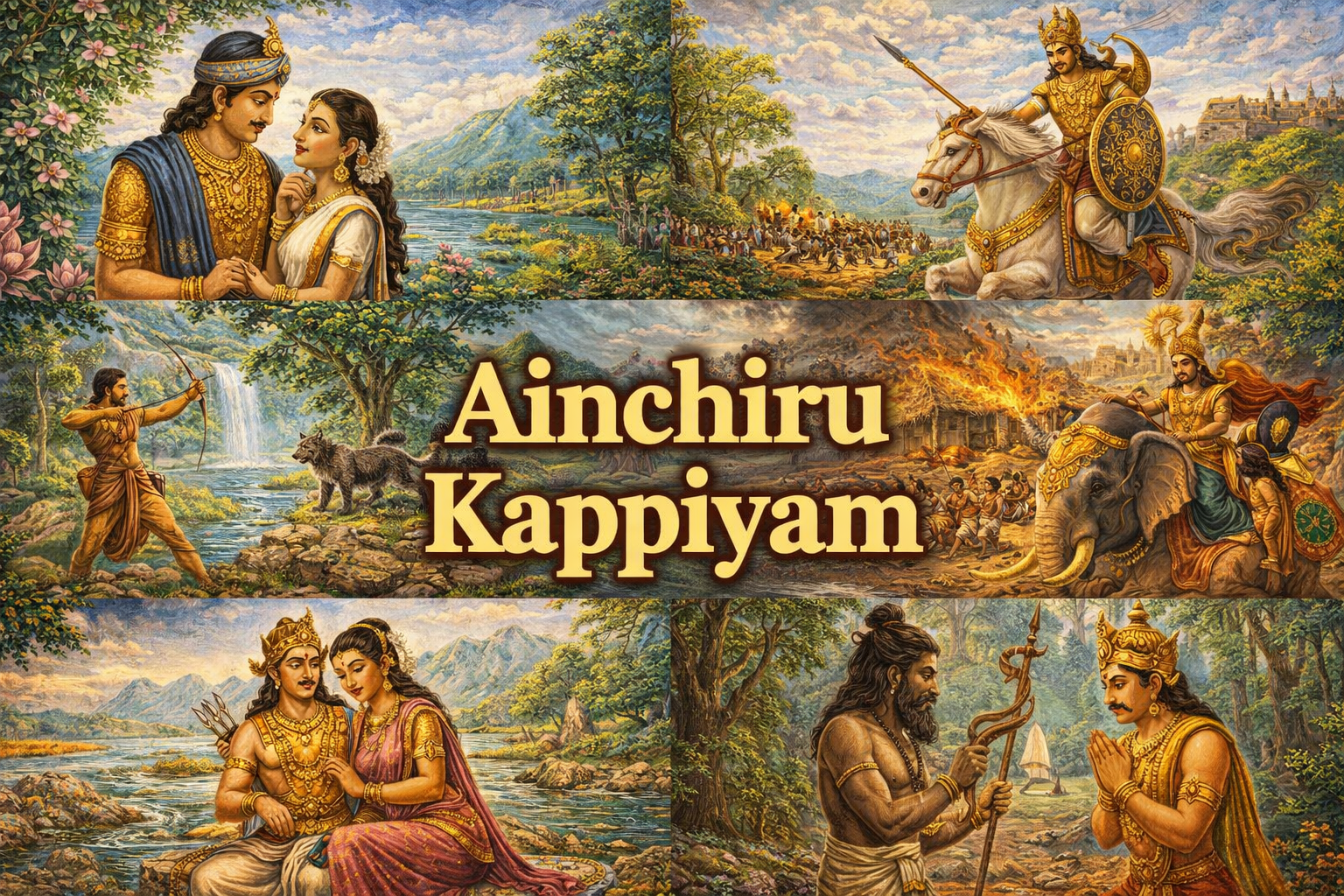
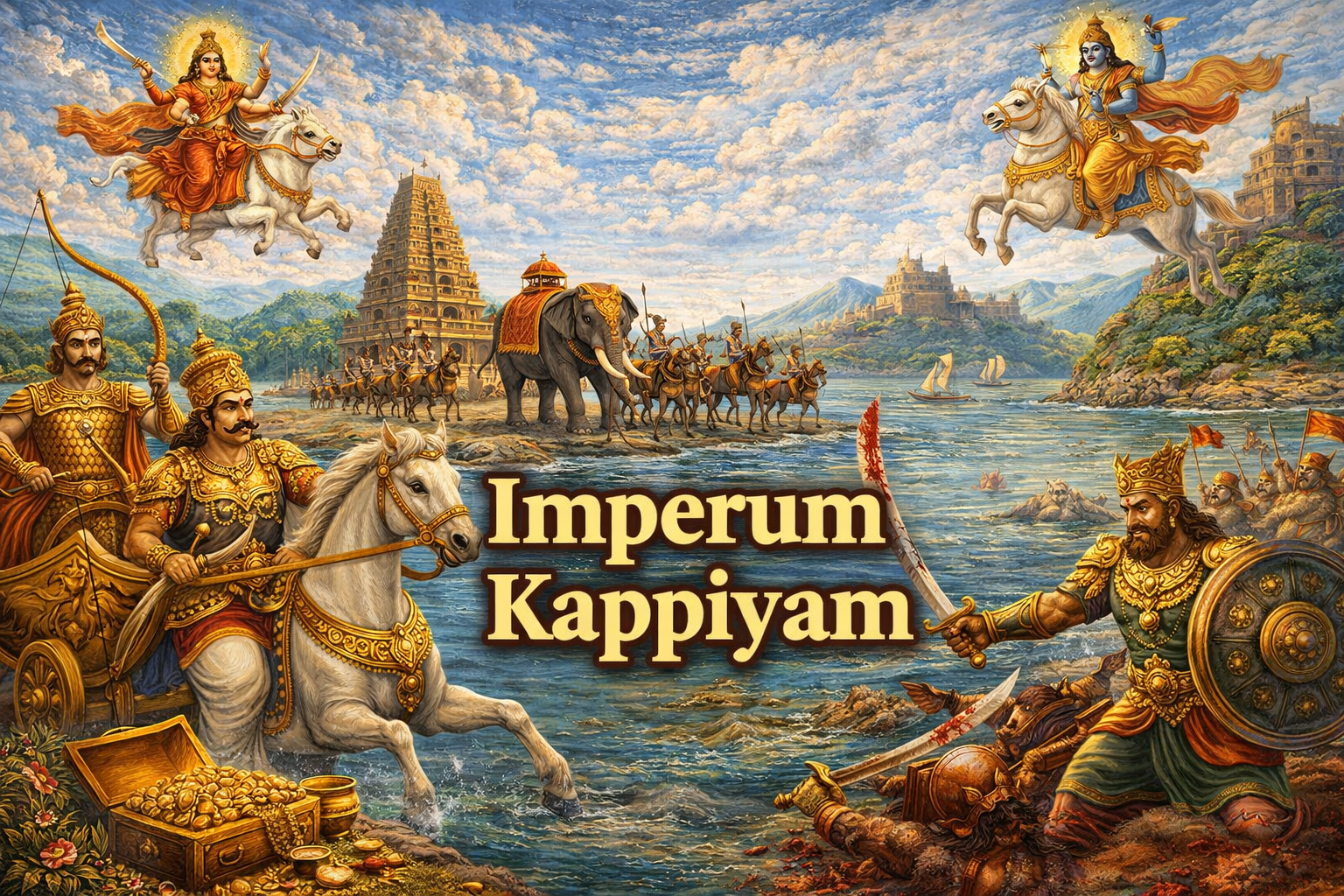
ஐம்பெரும் காப்பியங்கள் என்பது தமிழ் இலக்கியத்தில் உள்ள ஐந்து முக்கியமான மகாகாப்பியங்களை குறிக்கும். அவை:
- சிலப்பதிகாரம்
- மணிமேகலை
- சீவகசிந்தாமணி
- வளையாபதி
- குண்டலகேசி
இந்த காப்பியங்கள் ஒவ்வொன்றும் தனித்துவமான கதை, கருத்து, சமயப் பின்னணி மற்றும் வாழ்க்கை நெறிகளை எடுத்துரைக்கின்றன.
சிலப்பதிகாரம்
முன்னுரை
சிலப்பதிகாரம் என்பது தமிழ் இலக்கியத்தின் முதன்மையான காப்பியங்களில் ஒன்றாகும். இதை இளங்கோ அடிகள் எழுதியதாகக் கருதப்படுகிறது. இந்தக் காப்பியம் தமிழரின் பண்பாடு, நீதி, சமூக அமைப்பு மற்றும் பெண்களின் வீரத்தை வெளிப்படுத்தும் சிறந்த படைப்பாகும்.
அறிமுகம்
சிலப்பதிகாரம் ஒரு கதை மட்டுமல்ல, அது ஒரு சமூக ஆவணமாகும். கோவலன் மற்றும் கண்ணகி என்ற தம்பதியினரின் வாழ்க்கையை மையமாகக் கொண்டு இக்காப்பியம் அமைந்துள்ளது. இது மூன்று முக்கிய நகரங்களை அடிப்படையாகக் கொண்டது:
- புஹார் (சோழ நாடு)
- மதுரை (பாண்டிய நாடு)
- வஞ்சி (சேர நாடு)
கதை சுருக்கம்
கோவலன், கண்ணகியை மணந்தவன். ஆனால், அவர் மாதவி என்ற நடன கலைஞரிடம் ஈர்க்கப்பட்டு அவளுடன் வாழத் தொடங்குகிறார். இதனால் கோவலன் தனது செல்வத்தை இழக்கிறார். பின்னர் உணர்வு பெற்று கண்ணகியிடம் திரும்புகிறார்.
இருவரும் மதுரைக்கு சென்று வாழ முயலும்போது, கண்ணகியின் சிலம்பை விற்க முயற்சிக்கிறார் கோவலன். அதை அரசரின் ராணியின் சிலம்புடன் ஒப்பிட்டு, கோவலன் திருடன் என தவறாக குற்றம் சாட்டப்படுகிறார்.
பாண்டிய மன்னன் விசாரணை செய்யாமல் கோவலனை கொலை செய்ய உத்தரவிடுகிறார். இதனால் கோபமடைந்த கண்ணகி, தனது சிலம்பை உடைத்து உண்மையை நிரூபிக்கிறார்.
தவறை உணர்ந்த மன்னன் உயிரிழக்கிறார். கண்ணகி தனது கோபத்தில் மதுரையை எரித்துவிடுகிறார். பின்னர் தெய்வீக நிலையை அடைகிறார்.
முக்கிய கதாபாத்திரங்கள்
- கண்ணகி – தார்மீகமும் நீதியும் நிறைந்த பெண்
- கோவலன் – தவறுகளைச் செய்து பின்னர் திருந்தும் மனிதன்
- மாதவி – நடன கலைஞர்
- பாண்டிய மன்னன் – நீதியில் தவறு செய்பவன்
கட்டமைப்பு
சிலப்பதிகாரம் மூன்று காண்டங்களாகப் பிரிக்கப்பட்டுள்ளது:
- புகார்க் காண்டம்
- மதுரைக் காண்டம்
- வஞ்சிக் காண்டம்
முக்கிய கருத்துக்கள்
- நீதி மற்றும் தார்மீகம்
- பெண்களின் வீரமும் நிலைத்தன்மையும்
- அரசின் பொறுப்பு
- வாழ்க்கை தவறுகள் மற்றும் திருத்தம்
சமூக மற்றும் பண்பாட்டு முக்கியத்துவம்
சிலப்பதிகாரம் அந்த காலத்து தமிழரின் வாழ்க்கை முறைகள், வர்த்தகம், கலை, மதம் மற்றும் அரசியல் அமைப்பை விளக்குகிறது. இது ஒரு இலக்கியப் படைப்பாக மட்டுமல்லாமல், ஒரு வரலாற்று ஆதாரமாகவும் பார்க்கப்படுகிறது.
முடிவு
சிலப்பதிகாரம் தமிழ் இலக்கியத்தின் பெருமையாக திகழ்கிறது. கண்ணகியின் நீதிக்கான போராட்டம், மனித வாழ்க்கையின் உண்மைகளை வெளிப்படுத்துகிறது. இது எப்போதும் பொருந்தக்கூடிய ஒரு நீதிக் கதை ஆகும்.
மணிமேகலை
முன்னுரை
மணிமேகலை என்பது தமிழ் இலக்கியத்தின் ஐம்பெரும் காப்பியங்களில் ஒன்றாகும். இதை சீத்தலைச் சாத்தனார் எழுதியதாகக் கருதப்படுகிறது. இக்காப்பியம் புத்த சமயக் கருத்துக்களை அடிப்படையாகக் கொண்டு, மனித வாழ்க்கையின் நிலையின்மையும் கருணையும் பற்றி ஆழமாக விளக்குகிறது.
அறிமுகம்
மணிமேகலை, சிலப்பதிகாரத்தின் தொடர்ச்சியாகக் கருதப்படுகிறது. கோவலன் மற்றும் மாதவி மகளான மணிமேகலை வாழ்க்கையை மையமாகக் கொண்டது. அவள் உலக இன்பங்களை விட்டு விலகி, துறவற வாழ்க்கையைத் தேர்ந்தெடுக்கிறாள்.
கதை சுருக்கம்
மணிமேகலை ஒரு அழகான, அறிவுள்ள பெண். அவள் மீது உதயகுமாரன் என்ற இளவரசன் காதல் கொள்கிறான். ஆனால் மணிமேகலை உலக வாழ்க்கையை விரும்பாமல், ஆன்மீகப் பாதையைத் தேர்ந்தெடுக்கிறாள்.
அவள் தப்பித்து செல்லும்போது, தெய்வீக சக்திகளால் காப்பாற்றப்படுகிறாள். அவளுக்கு "அமுதசுரபி" என்ற பிச்சைக்கிண்ணம் கிடைக்கிறது. இதன் மூலம் அவள் பசியால் தவிக்கும் மக்களுக்கு உணவு வழங்குகிறாள்.
பின்னர் அவள் புத்த சமய துறவியாக மாறி, கருணை மற்றும் அஹிம்சையைப் பரப்புகிறாள். இறுதியில் அவள் ஆன்மீக உயர்வை அடைகிறாள்.
முக்கிய கதாபாத்திரங்கள்
- மணிமேகலை – கருணைமிகு துறவி
- உதயகுமாரன் – இளவரசன்
- மாதவி – மணிமேகலையின் தாய்
முக்கிய கருத்துக்கள்
- அஹிம்சை (அடக்குமுறை இல்லாமை)
- கருணை மற்றும் பசியாற்றுதல்
- வாழ்க்கையின் நிலையின்மை
- ஆன்மீக உயர்வு
சமய மற்றும் தத்துவ பின்னணி
மணிமேகலை முழுவதும் புத்த சமயக் கொள்கைகளை எடுத்துரைக்கிறது. கர்மா, பிறவி, துன்பம், விடுதலை போன்ற கருத்துக்கள் இதில் விளக்கப்படுகின்றன.
சமூக முக்கியத்துவம்
இக்காப்பியம் சமத்துவம், மனிதநேயம் மற்றும் பசியாற்றுதல் போன்ற உயர்ந்த மதிப்புகளை வலியுறுத்துகிறது. அந்தகால சமுதாயத்தின் நிலைமை மற்றும் மக்களின் வாழ்க்கை முறைகளையும் வெளிப்படுத்துகிறது.
முடிவு
மணிமேகலை ஒரு ஆன்மீகப் பயணத்தை விவரிக்கும் காப்பியம் ஆகும். இது மனிதனின் உள்ளார்ந்த மாற்றத்தையும், கருணையின் முக்கியத்துவத்தையும் உணர்த்துகிறது. தமிழ் இலக்கியத்தில் இது ஒரு முக்கியமான இடத்தைப் பெற்றுள்ளது.
சீவகசிந்தாமணி
முன்னுரை
சீவகசிந்தாமணி என்பது தமிழ் இலக்கியத்தின் ஐம்பெரும் காப்பியங்களில் ஒன்றாகும். இதை திருத்தக்கதேவர் எழுதியதாகக் கருதப்படுகிறது. இக்காப்பியம் ஜைன சமயக் கருத்துக்களை அடிப்படையாகக் கொண்டு, வீரம், காதல் மற்றும் துறவற வாழ்க்கையை இணைத்து விளக்குகிறது.
அறிமுகம்
சீவக சிந்தாமணி, சீவகன் என்ற வீரனின் வாழ்க்கையை மையமாகக் கொண்ட காப்பியம் ஆகும். இக்காப்பியம் மனித வாழ்க்கையின் இன்பங்களையும், பின்னர் அவற்றை விட்டு விலகும் துறவறப் பாதையையும் எடுத்துரைக்கிறது.
கதை சுருக்கம்
சீவகன் ஒரு அரச குமாரன். அவன் சிறு வயதிலேயே பல துன்பங்களை எதிர்கொள்கிறான். ஆனால் வளர்ந்து வலிமையான வீரனாக மாறுகிறான்.
அவன் பல இடங்களில் சென்று போரில் வெற்றி பெற்று, பல பெண்களை மணக்கிறான். அவன் வாழ்க்கை இன்பமும் செல்வமும் நிறைந்ததாக இருக்கும்.
இறுதியில், வாழ்க்கையின் நிலையின்மையை உணர்ந்து, உலக இன்பங்களை விட்டு விலகி ஜைன சமய துறவியாக மாறுகிறான்.
முக்கிய கதாபாத்திரங்கள்
- சீவகன் – வீரமும் அறிவும் கொண்ட நாயகன்
- அவரது மனைவிகள் – காதல் மற்றும் குடும்ப வாழ்க்கையை பிரதிபலிப்பவர்கள்
கட்டமைப்பு
இக்காப்பியம் பல அதிகாரங்களாகப் பிரிக்கப்பட்டுள்ளது. ஒவ்வொரு பகுதியும் சீவகனின் வாழ்க்கையின் வெவ்வேறு கட்டங்களை விளக்குகிறது.
முக்கிய கருத்துக்கள்
- வீரம் மற்றும் தைரியம்
- காதல் மற்றும் இன்ப வாழ்க்கை
- வாழ்க்கையின் நிலையின்மை
- துறவறம் மற்றும் ஆன்மீகம்
சமய பின்னணி
சீவக சிந்தாமணி ஜைன சமயத்தின் கொள்கைகளை எடுத்துரைக்கிறது. அஹிம்சை, தவம், கர்மா மற்றும் விடுதலை ஆகிய கருத்துக்கள் இதில் முக்கியமாக இடம்பெறுகின்றன.
சமூக முக்கியத்துவம்
இந்தக் காப்பியம் அந்தகால சமூக வாழ்க்கை, அரசியல் அமைப்பு, காதல் மரபுகள் ஆகியவற்றை வெளிப்படுத்துகிறது. மேலும் மனித வாழ்க்கையின் பல்வேறு நிலைகளை அழகாக சித்தரிக்கிறது.
முடிவு
சீவக சிந்தாமணி ஒரு முழுமையான வாழ்க்கைப் பயணத்தை விளக்கும் காப்பியம் ஆகும். இது இன்ப வாழ்க்கையிலிருந்து துறவற வாழ்க்கைக்கு மாற்றத்தை எடுத்துரைக்கிறது. தமிழ் இலக்கியத்தில் இது ஒரு முக்கியமான இடத்தைப் பெற்றுள்ளது.
வளையாபதி
முன்னுரை
வளையாபதி என்பது தமிழ் இலக்கியத்தின் ஐம்பெரும் காப்பியங்களில் ஒன்றாகும். இது முழுமையாக இன்று கிடைக்காத ஒரு காப்பியம். ஆனால் கிடைத்துள்ள சிலச் சான்றுகள் மூலம் இது ஜைன சமயத்தை அடிப்படையாகக் கொண்டதாக அறியப்படுகிறது.
அறிமுகம்
வளையாபதி காப்பியம் முழுவதுமாக கிடைக்கவில்லை என்பதால், இதன் முழுக் கதை நமக்குத் தெரியவில்லை. இருப்பினும், கிடைத்துள்ள சில பாடல்கள் மற்றும் குறிப்புகள் மூலம் இதன் கருத்து மற்றும் அமைப்பு பற்றி அறிய முடிகிறது.
கதை குறித்த தகவல்கள்
வளையாபதி காப்பியம் குடும்ப வாழ்க்கை, தார்மீகம் மற்றும் சமய நெறிகளை மையமாகக் கொண்டதாகக் கருதப்படுகிறது. இதில் ஒரு குடும்பத்தின் வாழ்க்கை நிகழ்வுகள் மற்றும் மனித உறவுகள் பற்றி கூறப்பட்டிருக்கலாம் என்று ஆய்வாளர்கள் கருதுகின்றனர்.
முக்கிய அம்சங்கள்
- முழுமையான நூல் இழந்துவிட்டது
- சில பகுதிகள் மட்டுமே கிடைக்கின்றன
- ஜைன சமயத் தாக்கம் அதிகம்
- குடும்ப மற்றும் சமூக வாழ்க்கை பற்றி எடுத்துரைத்திருக்கலாம்
சமய மற்றும் தத்துவ பின்னணி
வளையாபதி ஜைன சமயத்தைச் சேர்ந்த காப்பியமாக கருதப்படுகிறது. அஹிம்சை, தவம், ஒழுக்கம் போன்ற ஜைன கொள்கைகள் இதில் இடம்பெற்றிருக்கலாம்.
இலக்கிய முக்கியத்துவம்
முழுமையாக கிடைக்காதபோதிலும், வளையாபதி தமிழ் இலக்கியத்தில் ஒரு முக்கியமான இடத்தைப் பெறுகிறது. இது தமிழின் பழமையான காப்பிய மரபை எடுத்துக்காட்டுகிறது.
முடிவு
வளையாபதி காப்பியம் முழுமையாக கிடைக்காதது தமிழ் இலக்கியத்திற்கு ஒரு இழப்பாகும். ஆனால் கிடைத்துள்ள தகவல்கள் மூலம் அதன் முக்கியத்துவத்தை உணர முடிகிறது. இது தமிழ் பண்பாட்டு வரலாற்றில் ஒரு முக்கிய இடத்தைப் பெற்றுள்ளது.
குண்டலகேசி
முன்னுரை
குண்டலகேசி என்பது தமிழ் இலக்கியத்தின் ஐம்பெரும் காப்பியங்களில் ஒன்றாகும். இது முழுமையாக இன்று கிடைக்காத காப்பியங்களில் ஒன்றாகும். இக்காப்பியம் புத்த சமயத்தை அடிப்படையாகக் கொண்டதாக அறியப்படுகிறது.
அறிமுகம்
குண்டலகேசி காப்பியம் முழுமையாக கிடைக்கவில்லை. ஆனால் கிடைத்துள்ள சில பாடல்கள் மற்றும் பிற நூல்களில் உள்ள குறிப்புகள் மூலம் இதன் கதை மற்றும் கருத்துக்களை அறிய முடிகிறது.
கதை சுருக்கம்
குண்டலகேசி ஒரு செல்வந்த குடும்பத்தைச் சேர்ந்த பெண். ஒரு குற்றவாளியான மனிதனை காதலித்து திருமணம் செய்கிறாள்.
ஒருநாள் அந்த மனிதன் அவளை கொல்ல முயற்சிக்கிறான். அந்த ஆபத்தான நிலையில், குண்டலகேசி தன்னைக் காப்பாற்றிக் கொண்டு, அவனை தள்ளி கொன்றுவிடுகிறாள்.
இந்த சம்பவத்திற்குப் பிறகு வாழ்க்கையின் உண்மையை உணர்ந்து, அவள் உலக வாழ்க்கையை விட்டு விலகி புத்த சமய துறவியாக மாறுகிறாள்.
முக்கிய கதாபாத்திரங்கள்
- குண்டலகேசி – துணிச்சலான பெண்
- அவள் கணவன் – குற்றவாளி
முக்கிய கருத்துக்கள்
- வாழ்க்கையின் நிலையின்மை
- தவறான தேர்வுகளின் விளைவுகள்
- ஆன்மீக மாற்றம்
- அஹிம்சை மற்றும் துறவறம்
சமய மற்றும் தத்துவ பின்னணி
இந்தக் காப்பியம் புத்த சமயக் கொள்கைகளை எடுத்துரைக்கிறது. மனிதன் துன்பத்திலிருந்து விடுபட ஆன்மீக பாதையைத் தேர்ந்தெடுக்க வேண்டும் என்பதைக் கூறுகிறது.
இலக்கிய முக்கியத்துவம்
முழுமையாக கிடைக்காதபோதிலும், குண்டலகேசி தமிழ் இலக்கியத்தில் ஒரு முக்கியமான இடத்தைப் பெற்றுள்ளது. இது பெண்களின் வாழ்க்கை மாற்றத்தையும் ஆன்மீக உயர்வையும் எடுத்துரைக்கிறது.
முடிவு
குண்டலகேசி ஒரு மனிதனின் உள்ளார்ந்த மாற்றத்தை வெளிப்படுத்தும் காப்பியம் ஆகும். இது வாழ்க்கையின் உண்மைகளை உணர்த்தி, நல்ல பாதையைத் தேர்ந்தெடுக்க வழிகாட்டுகிறது.
ஐம்பெரும் காப்பியங்கள் - அட்டவணை
| நூல் | சமயம் | பாவனை | ஆசிரியர் | நூல் அமைப்பு |
|---|---|---|---|---|
| சிலப்பதிகாரம் | சமணம் | நிலமண்டல ஆசிரியப்பா + கொச்சக கலிப்பா | இளங்கோவடிகள் | 3 காண்டம், 30 கதை, 5001 அடிகள் |
| மணிமேகலை | பௌத்தம் | நிலமண்டல ஆசிரியப்பா | சீத்தலைச் சாத்தனார் | 30 கதை, 4755 வரிகள் |
| சீவகசிந்தாமணி | சமணம் | விருத்தம் | திருத்தக்கதேவர் | 13 இலம்பகம், 3145 பாடல்கள் |
| வளையாபதி | சமணம் | விருத்தம் | — | 72 பாடல்கள் கிடைத்துள்ளன |
| குண்டலகேசி | பௌத்தம் | விருத்தம் | நாதகுத்தனார் | 224 பாடல்கள் கிடைத்துள்ளன |
மக்கள் கேட்கும் கேள்விகள்
உங்களுக்கான முக்கிய பதில்கள்
தமிழில் உள்ள 5 பெரிய காப்பியங்கள் சேர்ந்து ஐம்பெருங்காப்பியம் எனப்படும்.
சிலப்பதிகாரம்
மணிமேகலை
சீவகசிந்தாமணி
வளையாபதி
குண்டலகேசி
மணிமேகலை
சீவகசிந்தாமணி
வளையாபதி
குண்டலகேசி
இளங்கோ அடிகள்
சீத்தலை சாத்தனார்.
திருத்தக்கதேவர்.
கண்ணகி
புத்த மதக் கொள்கைகள் மற்றும் துறவற வாழ்க்கை.
ஜைன மதம்.
இந்நூல்கள் முழுமையாக கிடைக்கவில்லை (இழந்த நூல்கள்).
தமிழ் கலாசாரம், சமயம், சமூக வாழ்க்கை ஆகியவற்றை அறிய உதவுகிறது.